
We CU Changing Lives at Centenary University!
Support our mission to educate the leaders of tomorrow who will someday shape our world.
Planned Giving
Plan for your future… And Centenary’s…
Planned giving allows you to support Centenary University, while receiving tax and other financial benefits. Developed with your financial adviser, your plan addresses priorities—such as income payments, family support, or inheritance—and provides for the University and its students.
Centenary University’s George H. Whitney Society recognizes donors who have generously included the University in their long-term plan or estate. Named in honor of Centenary’s first president, the society recognizes those who have demonstrated their commitment to the future of the University, leaving a lasting and meaningful legacy for generations to come. There are a wide variety of planned gifts to fulfill your individual wishes.
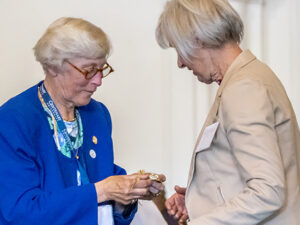
Members of the Society are presented with a special commemorative pin that they may wear at College events such as Homecoming & Alumni Weekend, or whenever they choose. That way, they will be immediately recognized for their commitment, forethought and generosity. In addition, members of the Society can enjoy special events both on-campus and off, as well as receiving recognition in Centenary’s Honor Roll of Donors and much more.
By joining the George H. Whitney Society, you leave a lasting and meaningful legacy, and join the many Centenarians whose long-term gifts will benefit Centenary’s students today, and for years to come. These may include:
- Bequest
Allocating a gift to Centenary University in your will is a simple way to support the University. This could also reduce the taxes owed on your estate. Please notify us if you have named Centenary in your will. - Charitable Gift Annuity
This option permits you to transfer assets to Centenary University and name a beneficiary (yourself or another designee) to receive a fixed income for the rest of your life. - Charitable Lead Trust
Through a charitable lead trust, Centenary University receives fixed payments for the term of the trust, while you or a beneficiary receive the remainder. - Charitable Remainder Trust
You receive regular payments from the trust, and Centenary University receives the remaining funds at the end of the designated time period. This option can help you to avoid capital gains taxes, and reduce income and estate taxes. - Life Insurance
Designating Centenary University as a beneficiary of your life insurance policy provides the University with future income, with no tax liability upon the death of the donor. Please notify us if you have named Centenary as a beneficiary. - Real Estate
Donating real estate to Centenary University benefits our students and provides you with a charitable income tax deduction, and possibly, the ability to avoid capital gains tax. There are a number of options to consider when donating real estate. Please discuss these further with your financial adviser. - Retirement Plan Assets
Your estate plan may include making Centenary University the beneficiary of your retirement account, possibly reducing the tax burden on your other beneficiaries.
Those who are age 70 ½ may also wish to make a direct transfer of funds to Centenary from an IRA. Called qualified charitable distributions (QCDs), these donations reduce your taxable income, and may mitigate impact on certain tax credits and deductions such as Social Security and Medicare.
Here are some other ways to impact and change lives!